We handle Polaris RZR Fire Cases Nationwide

Design Defects
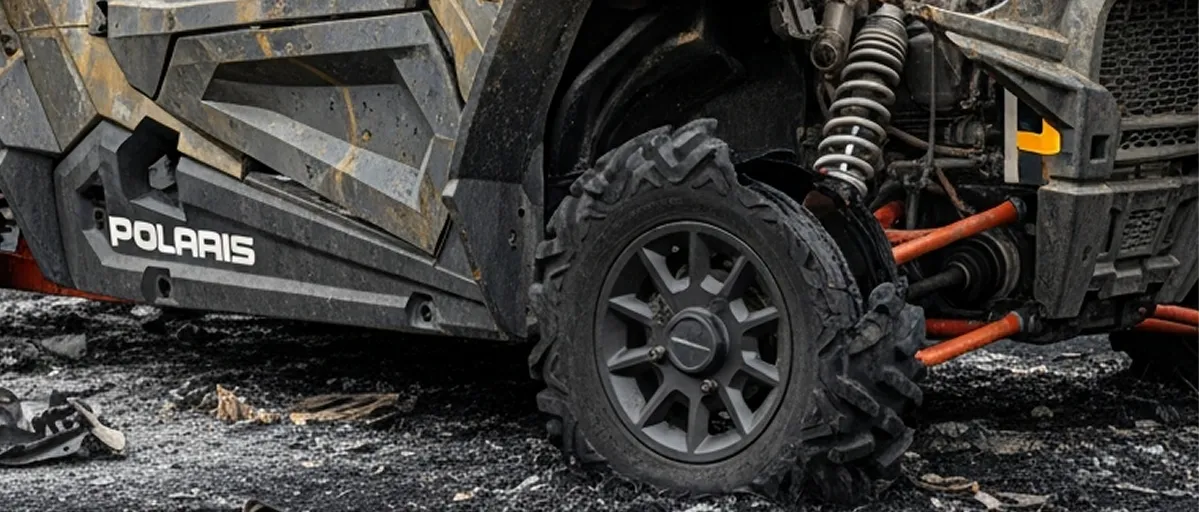
Design Defects & Causes of Fire: The "Super Hot Spot" That Polaris Won't Fix
When Polaris introduced the RZR Model 900 in 2011, the company made a design decision that would have catastrophic consequences. They positioned the extremely hot engine exhaust header to face forward, pointing directly at the passenger back seat without adequate ventilation.
This created what expert engineers and victims call a "super hot spot." Extreme heat, just inches from three fuel sources that can rupture, crack, or leak. When fuel meets that heat, fires can erupt instantly. Passengers often cannot unbuckle their seatbelts and escape in time.
The ProStar Engine
Design Change
Polaris had manufactured RZRs since 2008. The earlier Model 800 featured an exhaust header that extended to the side of the vehicle, allowing the header to cool as air flowed around it. There was no substantial history of fires in the Model 800.
But in 2010, Polaris unveiled the ProStar engine for the Model 900. The company changed the exhaust design. Instead of extending to the side, the new exhaust header connected to the front of the engine, right behind the passenger seats. The exhaust pipes then make a 180-degree turn and exit at the rear.
The exhaust header now sat inches from the back seat, creating intense heat in a confined space, without adequate ventilation.
The Four Ignition Points
The super hot spot sits dangerously close to three components that handle gasoline:

The Fuel Line
A thin, rubber fuel line runs just less than a foot from the exhaust header. This line carries gasoline under pressure from the tank to the engine. When the line ruptures (which has happened repeatedly), fuel sprays directly onto the super-hot pocket by the header, causing a fire eruption.

The Fuel Pump
The plastic fuel pump sits underneath the passenger seat, inches from the exhaust header. When the pump cracks or fails, gasoline leaks into the hottest part of the vehicle.

The Fuel Rail Injectors
Fuel rail injectors sit directly above the exhaust header. When mounting fasteners loosen or when the plastic fittings at the fuel rail fail, gasoline sprays down onto extreme heat.
Any one of these failures can cause a fire. All three sit within inches of each other in the same confined, superheated space.
How Fast the Fires Spread
When an RZR catches fire, it erupts almost like an explosion.
Polaris RZRs are constructed primarily of plastic and aluminum. The plastic body panels, seats, and cargo bed are highly flammable. Once ignited by fuel, these materials burn rapidly, producing thick black smoke and intense heat.
Victims report that flames engulf the vehicle within 30 to 60 seconds. This gives passengers precious little time to react, unbuckle seatbelts (especially children in child seats or adults in 4-point harnesses), and escape.
The speed of these fires has killed. It has left some survivors with third and fourth-degree burns covering more than half their bodies.
Why Recalls Have Not
Fixed the Problem
Since 2016, Polaris has issued multiple recalls supposedly addressing fire risks. These recalls updated fuel pumps, installed heat shields, and modified voltage regulators and fuse boxes.
But none of these recall "fixes" corrected this "extreme hot pocket/header" design. The forward-facing exhaust header remains inches from fuel sources in every RZR Model 900, 1000, and Turbo manufactured from 2011 through 2025.
Polaris has applied band-aid fixes to individual components. The company has not eliminated the super hot spot that ignites fuel when any of those components fail.
Because of this, the fires have continued after recalls and repairs.
The Proof: The Pro R Model
In 2022, Polaris introduced the RZR Pro R Model. This vehicle features an exhaust header pointing to the side, similar to the earlier Model 800 design. As of mid-2025, the Pro R Model has had significantly less than a hand full of fire incidents than earlier models with forward-facing headers.
The company knows how to design a RZR with significantly reduced fire risk. Polaris proved this with the Model 800 before 2011. Polaris proved it again with the 2022 Pro R.
Yet the Model 900, 1000, and Turbo vehicles with the forward-facing header design remain on the road. These models continue to be sold.
What Polaris Knew
Internal Polaris documents and testimony have revealed that the company was aware of the fire risk early.
•..Customers reported melting and smoking plastic panels between passengers and the engine shortly after the ProStar engine was introduced. Polaris's own safety director believed the vehicles should be recalled.
•..Instead of issuing a recall, Polaris issued a service bulletin. Service bulletins do not require Polaris to notify consumers or the CPSC. They are quiet fixes that allow problems to persist without public awareness.
•..By 2012, Polaris had received reports of RZR fires. The company knew the forward-facing header created dangerous heat near fuel sources.
•..Despite this, Polaris continued manufacturing vehicles with the same design. The company expanded the forward-facing header to the more powerful Model 1000s and Turbos. Fire numbers grew.
In 2021, the Minnesota Supreme Court ordered Polaris to turn over the Falvey Audit Report, an independent safety audit the company had tried to keep confidential. The 32-page report recommended sweeping changes to Polaris regarding safety practices, engineering protocols, design standards, and corporate oversight.
The Human Cost of
Polaris’ Design
These design defects have killed and maimed.
•..A 15-year-old girl died after suffering burns on 65% of her body when her family's RZR rolled and caught fire.
•..An 11-year-old girl from Texas lost her right leg and left foot after third and fourth-degree burns covered 60% of her body.
•..A 23-year-old man from Idaho died in 2019 when the 2017 RZR he was riding in burst into flames, despite having received recall repairs.
Too many others have suffered severe burns, disfigurement, and lifelong trauma. Children are particularly vulnerable. In fact, children under 16 face disproportionate risks from all OHV incidents.
These are not acceptable casualties of recreational riding. These fires do not result from reckless driving or user error. They happen during normal operation because Polaris designed vehicles with extreme heat mere inches from gasoline.
Why Polaris Has Refused
to Redesign
Redesigning the exhaust system would require significant engineering and manufacturing changes. It would mean admitting the fundamental design was flawed from the beginning. It would potentially expose Polaris to greater liability in ongoing litigation.
The RZR is one of Polaris's biggest sellers. The Model 900, 1000, and Turbo represent substantial revenue for the company. Taking these models off the market or implementing a comprehensive redesign would be expensive.
So Polaris has chosen a different path: replace individual components when they fail, issue recalls that do not fix the core problem, settle lawsuits with confidentiality agreements, and continue selling vehicles the company knows can catch fire.
And the fires continue. There had been over 675 total burndowns as of mid-2025.
What This Means for Your Case
If you or someone you love was burned in a Polaris RZR fire, knowing about these design defects strengthens your legal claim.
The design was flawed from the start.
Polaris changed from a side-facing header (no fires) to a forward-facing header (hundreds of fires). The company later returned to a side-facing header in the Pro R (radically fewer fires). This pattern establishes that Polaris could have designed safe vehicles but chose not to.
Polaris knew about the danger.
Internal documents, the CPSC penalty, and the testimony of former employee engineers all demonstrate corporate knowledge of fire risks dating back to 2012.
Recalls did not fix the problem.
If your fire occurred after recall repairs were completed, this shows the alleged fixes were inadequate. Polaris knew or should have known that replacing fuel lines without redesigning the exhaust system would not prevent fires.

Multiple failure modes exist.
Even if the specific cause of your fire cannot be determined (many RZRs burn completely), the existence of multiple ignition sources all related to the exhaust header design establishes a pattern of defective design.

Alternative designs were available.
Polaris's own Model 800 and Pro R demonstrate that much safer exhaust designs existed. The company chose not to use them in the Model 900, 1000, and Turbo lines.
Every case depends on its specific facts, the timing of the fire, which recalls (if any) had been completed, and which model was involved.
An experienced product liability attorney can evaluate how these design defects apply to your situation.
Free Consultation |
No Fees Until Recovery
If you or a loved one has been injured in a Polaris RZR fire, contact our legal team. We have extensive experience with RZR fire cases and understand the technical details of these design defects.
Free consultations by phone or Zoom | No fees unless we recover compensation.
Want our RZR Fire Alert and Update Newsletter? Subscribe to stay informed...
Contact info
The legal muscle of three successful law firms collaborating to take on Polaris in their Minnesota backyard for burned riders nationwide.

©2026 ATV Fire Lawyers | Legal Disclaimer | Privacy Policy | Terms and Conditions
Digital Marketing by:

Join Us